Blog 4

When Do Babies Stop Drinking Formula?

Time and research have led your family to the best baby formula available. As your baby grows and thrives, they have now become a toddler! 

At this stage, as solid food is added to their diet, it’s time to transition away from formula. You might have questions such as, “How will we transition away from formula?” or “How do I ensure my little one still gets all the nutrients they need when I stop using formulas?”

In this article, we will address these critical considerations, including how to transition away from baby formula while ensuring your toddler receives all the nutrition they need once weaning is complete.


Table of Contents:

1. When Should I Wean My Baby Off Formula?

2. What Age Does Weaning Begin?

3. Do Babies Need Formula After 12 Months?

4. Cow’s Milk for Toddler

5. Is Your Baby Ready for Transitioning Away from Formula?

6. How to Transition from Baby Formula

7. When to Slow Down or Stop Weaning off Baby Formula?

8. Milk Alternatives for Toddlers
9. Weaning from Baby Formula

Toddler Eating Solid Foods | My Organic Company

What Should I Wean My Baby Off Formula?

Lorem ipsum dolor sit amet, consectetur adipiscing elit, sed do eiusmod tempor incididunt ut labore et dolore magna aliqua. Ut enim ad minim veniam, quis nostrud exercitation ullamco laboris nisi ut aliquip ex ea commodo consequat. Duis aute irure dolor in reprehenderit in voluptate velit esse cillum dolore eu fugiat nulla pariatur. Excepteur sint occaecat cupidatat non proident, sunt in culpa qui officia deserunt mollit anim id est laborum.

What Age Does Weaning Begin?

As you begin, the most important note we can make is this – the weaning process varies from family to family and baby to baby. While there are some suggestions, there are very few hard and fast rules for weaning. 

One rule that is non negotiable is simple: Breast milk or formula is the only nutrition your newborn needs.

After that time, it is not uncommon to start seeing weaning cues from your baby between four and six months. 

Weaning Four to Six Months

At four to six months, families may start adding nutrients more than formula or breast milk. 

If your pediatrician agrees, parents and caregivers may find that it is the perfect time to introduce solid foods in the form of purees or cereals.

Solids at this age must be secondary only to formula or breast milk to ensure your baby receives all the nourishment they need. (Another unbreakable rule).

Some signs that your baby is ready for solid food introduction typically include beginning to develop the coordination to move solid food from the front of the mouth to the back for swallowing rather than out of their mouths, sitting without support, and showing a desire for food by leaning forward and opening their mouth.

Weaning Six to Twelve Months

For babies 6 months old on upwards it is not unheard of to go straight to finger foods as soon as solids are introduced, bypassing purées, cereals, and mashed-up foods. 

This approach is called baby-led weaning.

Baby Led Weaning

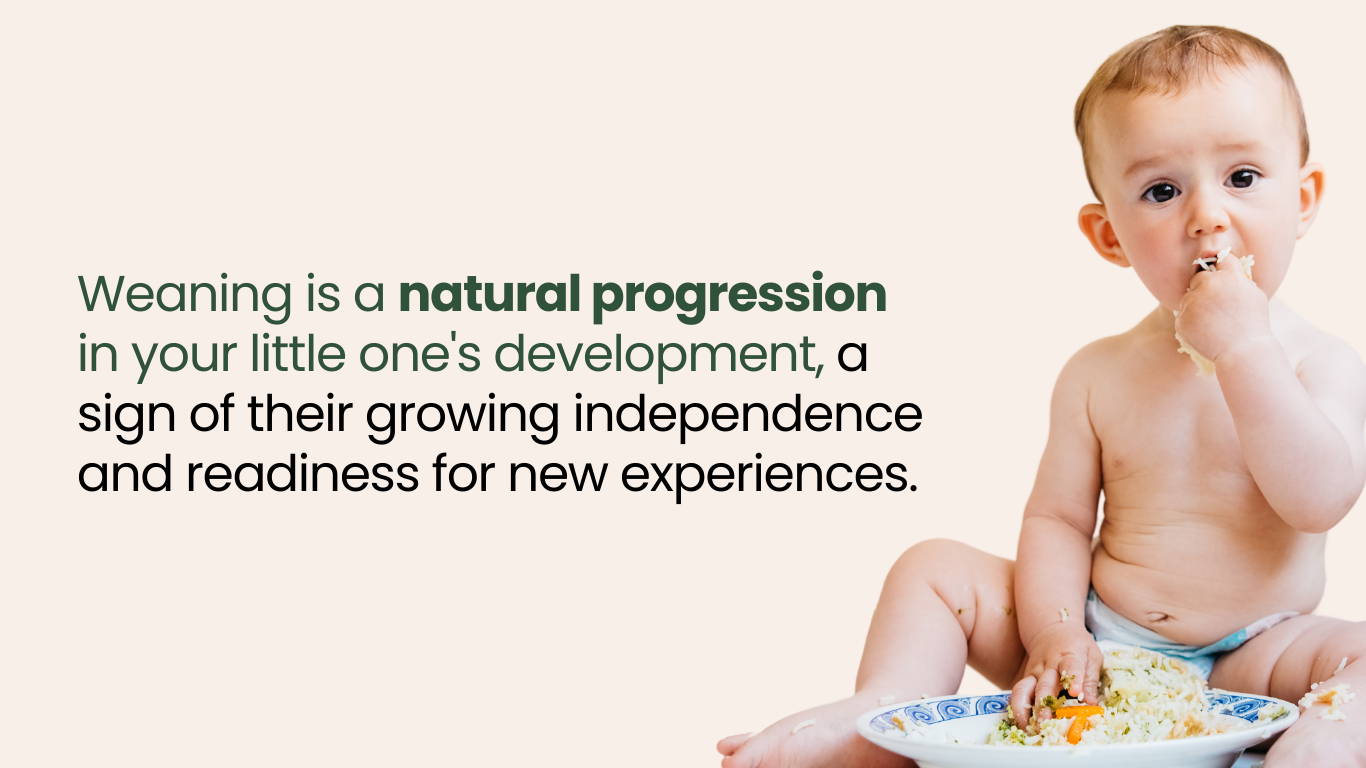
Just as it sounds, baby led weaning is letting your little one feed themselves the healthy foods they want right from the start. This method works only for older babies who are at least 6 months old and capable of self-feeding. 

This method of weaning allows babies to learn how to chew first, then swallow. It also prevents parents from pushing food, since babies are in control of how much they put into their mouths.

But those aren’t the only benefits. According to advocates and some research, the potential perks of baby-led weaning include encouraging a greater variety of textures and flavors, reducing the risk for child obesity, and promoting fine motor skill development. 

Weaning Twelve Month and Up

I think the first thing to know at this age is that your baby does not have to wean off formula or the bottle the moment they turn one. 

Gentle guidance and patience is the key to success. After 12 months, your family can start the full weaning process when you are ready. 

Do Babies Need Formula After 12 Months?

The good news is that at 12 months you do not have to make the decision one way or another on your baby’s birthday. 

Families can take their time to transition and weigh the choices available to help their new toddler grow, develop, and thrive with the best nutritional options. 

Toddler Formulas 

After 10 months you can begin to replace your little one’s infant formula with stage 3 formulas and stage 4 formulas. This powdered nutrition is also known as Toddler Milks or Growing Up Milks. 

As new tastes and textures are introduced through solid food, it can be comforting to know that your toddler will receive all the proteins, carbohydrates, vitamins, and minerals needed every day to support healthy growth and development.

Toddler formulas are the perfect addition to a healthy diet. This powder supplement encourages solid food exploration while balancing missing nutrition. 

Some toddler milk also includes prebiotics and probiotics to help maintain a healthy gut flora. This is incredibly important as new foods are introduced.

Fruits | My Organic Company

Shop European Toddler Formulas

Cow’s Milk for Toddlers

When switching to cow’s milk, whole milk is the best option for most toddlers over age 12 months who are not breastfeeding or drinking a toddler formula.

It is important to choose a whole fat option. A child at this age still needs a high level of fat to support rapid brain development and physical growth. Keep in mind that your child will only need two to three cups of whole milk per day

There are other benefits of whole milk over low-fat milk such as the thicker taste and mouthfeel that toddlers prefer. Whole milk might be a better choice if you have a child who is a picky eater and is not getting enough fat and calories from the new solid food diet. 

Whole milk can be a helpful way to supplement some of that missing nutrition, however, you don’t want all of your child’s calories to come from milk because it does not have all the proteins, vitamins, and minerals needed for a healthy balance. 

Talk to your pediatrician or a registered dietitian if you are unsure how to include milk in your child’s diet to meet their nutritional needs.

Pro tip for whole milk introduction: If your baby had a temperature preference with their formula, continuing this with the whole cow’s milk for a soothing and familiarity effect can help make the transition easier.

Soy Milk for Toddlers

For sensitive babies, parents may lean toward soy milk as an option. Unfortunately, this is not among the best cow’s milk alternatives for toddlers due to the similar amount of protein.

For example, soy milk is lower in calories than both cow’s milk or toddler formulas. High calories are important for energy, growth, and development.

Soy in daily amounts has also been linked to adverse effects to the immature immune systems, causing diarrhea, soy protein allergies, and can lead to possible health issues like increased risk of breast cancer or prostate cancer later in life.

Is Your Baby Ready for Transitioning Away from Formula?

If you’re unsure whether your baby is ready to switch, paying attention to any signs they may be showing is essential. Remember that you know your little one best, and taking it slow and watching for clear signs is perfectly fine.

If you still have doubts, talking to your child’s pediatrician is a good idea. This will help ensure that your baby is getting enough nutrients from their diet to transition from the current formula, and it’s a proactive step in your baby’s health journey.

Bibs | My Organic Company

How to Transition from Baby Formula

For formula fed babies, cold turkey transitioning is not unheard of, especially when switching from baby formula to toddler formula. The unique nutrition in toddler milks closely mimic breast milk digestively and have the same taste and texture as baby formula. This combination usually makes a seamless match. However, since the ratio of nutrition is slightly different, your baby may take some time to adjust. 

WIth cow’s milk, families may find that their babies need a bit more coaxing and time to make the switch without your little becoming fussy or making a fuss. The taste and texture is a little different and the lactose protein can wreak havoc on your toddler’s gut flora at first.

We generally recommend transitioning over a period of a few weeks. This allows your baby’s digestive system to completely adjust to a new formula or cow’s milk. It’s best to introduce the new formula or milk gradually by mixing it with the old formula. You can consider following a transition schedule like this:

   🥛 Day 1 & 2: 25% toddler formula or cow’s milk; 75% old formula

   🥛 Day 3 & 4: 50% toddler formula or cow’s milk; 50% old formula

   🥛 Day 5 & 6: 75% toddler formula or cow’s milk; 25% old formula

   🥛 Day 7 & up: 100% toddler formula or cow’s milk

Every child is unique and so are your child’s needs, adjust this schedule to best meet your little one’s needs. This process can be done in different extensions of time, varying from using each proportion for two days to even weeks.

Transition Baby Formula Chart | My Organic Company

When to Slow Down or Stop Weaning off Baby Formula?

By taking your time to transition away from formulas, you will also have time to notice any extreme changes or worries such as dramatic change in their stools or allergy markers such as continuous stuffiness.

If these symptoms do not subside in a few days or get worse in a day or so, talk to your baby’s pediatrician about a potential milk allergy

Some of the signs your baby may not be able to tolerate cow’s milk include but are not limited to:

❌ Constipation

❌ Diarrhea

❌ Rash

❌ Vomiting

What Do Babies Drink After Weaning off Formula? Other Liquids

Soon your toddler’s solid food will be the majority part of nutrition. When not drinking toddler milks or cows milk, you can share other healthy drinks with your little one. 

Water

Children under 6 months do not need water (unless properly mixed with baby formula) and should not be drinking water until they start eating solid food.

After 6 months, children can have water minimally when introducing food or in hot weather. After 12 months, your little one will enjoy water when you do, especially after playing outside or with solid food.

Animal Milk

Along with cows milk, goat’s and sheep’s milk can be introduced after 12 months as long as it is pasteurized. 

Fruit Juice 

Babies under 12 months don’t need juices, however if you decide to give them to your child, make sure to dilute them in a 1:10 parts ratio (1 part of juice, 10 times water). Fruit juices contain a lot of sugars that can cause tooth decay and long term health problems.

Over 12 months we recommend waiting until solid food is well established and only sparingly. You can still continue diluting your toddler’s juice until for as long as you feel necessary (Pro tip: Don’t let your toddler see you diluting it!).

Tea

Overall, there isn’t a lot of research on how herbs or teas affect young children. Check with your pediatrician to get the go ahead for any teas/herbs you plan to give your child.

Even those that are generally considered “safe” may interact with medications they are taking or conditions such as unknown allergies can be exasperated. Of course never offer caffeine to your toddler. 

Milk Alternatives for Toddlers

If your toddler is transitioning from a plant-based formula, or if they have been diagnosed with a lactose allergy or intolerance, your family might be interested in exploring a vegan alternative that does not include dairy milk.

Soy

Parents and caregivers often consider fortified or unsweetened soy milk as an alternative, especially when dealing with digestive concerns in children. However, it is essential to note that soy milk should be used as a last resort and under the guidance of your child’s pediatrician.

The American Academy of Pediatrics advises against the use of soy formula for infants and toddlers due to the presence of estrogen-like compounds called isoflavones, which can potentially have adverse effects on the immune and endocrine systems.

Additionally, when children consume substantial amounts of soy, there are potential risks of developing Kawasaki Disease and other developmental concerns.

Vegan Milk Alternative | My Organic Company

Weaning from Baby Formula

The first year goes by fast; before you know it, your baby has become a toddler. Even though we would love to see time slow down, your little one will soon be ready to graduate from baby formula to a balanced, solid-food diet.

The exact timing of this transition and the type of milk your toddler will change to is a family decision.

For each step of this journey with your little one, My Organic Company is here for you. We are deeply committed to your child’s nutrition, making it our top priority. From the first to the toddler years, we are happy to provide the best food for growth and development today and for a healthy tomorrow.

Blog 1

European Baby Formula Stages: The Ultimate Guide

European baby formulas have become the answer to many families’ nutritional needs. Parents opt out of local brands and turn toward those with high organic production standards and regulations.

By choosing 100% Organic European baby formula over American counterparts filled with added non-lactose sugarssoy, and toxic chemicals, families are making a health-conscious decision. These European formulas eliminate the many risks associated with unregulated ingredients, providing a reassuring choice for parents.

In this article, we will delve into the importance of offering baby formula that mirrors breast milk. European baby formula uses stages that mimic the natural progression of the mother’s milk, providing parents with a comprehensive understanding of their child’s nutritional needs at each stage of development.


Table of Contents:

1. What Are European Formula Stages and What’s Their Purpose?

2. What Are the Differences Between European Baby Formula Stages?

3. Infant Formula Stage Pre & Stage 1

4. Follow-On Formula Stage 2 & 3

5. Toddler Milk Stage 4 & Kindermilch

6. Should I Change Formula Stages?

7. For Every Age and Stage

Baby Formula Phases | My Organic Company

What Are European Formula Stages and What’s Their Purpose?

One of the many benefits of European baby formula is the labeling for developmental and nutritional needs over specific ages. This thoughtful design allows for individual care of each unique little one.

Starting from day one, European baby formulas take into account every detail of nutrition to ensure your baby will not only grow but thrive!

Stages of European Baby Formula

European formula companies use a consistent labeling system for the stages, but the wording may vary by brand. This variation is important for families to be aware of. 

Families may see stage numbers written as first, second, third, or fourth on the can or box or a simplified version like PRE, 1, 2, 3, or 4.

European Formula Stages | My Organic Company

What are the Differences Between European Baby Formula Stages?

European baby formula is meticulously crafted to meet the nutritional needs of babies at every stage of their development. Each stage-specific formula is formulated to replicate the essential nutrients in the mother’s milk, tailored to support the unique developmental requirements of infants. These formulas play a crucial role in nurturing a baby’s growing body and brain, facilitating the attainment of essential developmental milestones.

These specialized baby formulas cater to various stages of growth, with some intended for use from birth. In contrast, others are designed to accompany the introduction of solid foods as the baby grows older. 

In addition to providing vital nutrients, European baby formulas support healthy digestion, strengthen the immune system, and contribute to overall growth and development in babies, ensuring a solid foundation for their well-being.

Infant Formula Stage Pre & Stage 1

Infant Formula Stages | My Organic Company

Shop Now Infant Formula

European Baby Formula Stage PRE

It is explicitly formulated for infants, and this stage is the gentlest of all the European baby formulas. It is often used for the first days of life through three months, especially when supplementing breastfeeding. Still, it’s also perfect as a standalone formula, providing parents with peace of mind about their newborn’s nutrition. 

It is important to note that European baby formula stage PRE does not stand for premature babies or preemies; rather, it is a nutritional stage that is easier on an immature, still developing digestive system. 

As babies’ digestive systems learn to take in and keep down outside nourishment, stage PRE is designed to make this easier. Importantly, it achieves this without using starch, non-lactose sugars, artificial colors, or preservatives, ensuring the safety and health benefits of the formula. 

It’s easier to digest than most cow’s milk formulas, yet it still provides the essential nutritional needs of a newborn. This strong emphasis on the product’s nutritional value is designed to instill confidence in parents about their baby’s healthy development. 

European Baby Formula Stage One

Stage 1, often called ‘first milk, ‘ is a versatile formula. While it’s suggested for use from birth to 6 months, it’s also suitable for the entire first year of your baby’s life. This flexibility empowers you to make the best feeding choices for your baby.

The composition of stage 1 European baby formulas is designed to be gentle, mimicking breast milk as closely as possible. 

These European baby formulas are the best starting point for weaning from breast to bottle or combination feeding. Weaning is a gradual process, and these formulas provide the necessary nutrients to support your baby’s growth and development during this transition.

The stage one formula perfectly balances protein, vitamins, and minerals, complemented by extra carbohydrates. This balance supports the rapid development of your baby’s body and mind, giving you confidence in their growth. 

At this stage, you can rest assured that European baby formulas, including stage 1, are free of added sugars, wheat, soy, and GMOs. They are also allergen-free, ensuring the safety of your baby’s diet and giving you peace of mind.

Most of the baby formulas in stage 1 continue to be free of starch and Maltodextrin. However, if your baby seems extra hungry or needs more calories, a formula with these ingredients may be necessary.  

To meet these needs, HiPP German Stage 1 has starch added, and Holle Stage 1 has Maltodextrin. 

European Goat Milk Baby Formula Stage One

The most sensitive babies need a European formula to soothe their immature digestive systems. 

European goat milk formulas, with their smaller curds, less lactose, and natural prebiotics, are a unique and informed choice for parents of babies who need an easier-to-digest stage 1 formula.

With its unique proteins and a rich array of essential nutrients, goat milk is a confident choice for your baby’s nutrition. Each of these European stage 1 goat milk formulas is perfectly balanced, providing a secure supplement to breastmilk or a complete nutritional alternative. 

Catering to delicate systems, stage one goat milk formulas are also made without starch and maltodextrin with the expectation of Holle goat stage one. 

Holle goat stage one, similar to the cow’s milk version, includes maltodextrin, a carbohydrate that helps to satisfy the hunger of your little ones. 

Follow-On Formula Stage 2 & 3

Follow On Formula Stage | My Organic Company

Shop Now Stage 2

European Baby Formula Stage Two

For babies six months and older, this stage, often known as follow-on milk, is well suited for infants who eat few or no solids or as the next step in breast milk supplements. 

European baby formula stage 2 is a boon for growing babies with a higher calorie need or those no longer satisfied at each feeding. It provides a rich source of essential nutrients, catering to your little one’s nutritional needs.

At this stage, your baby’s health is our top priority. Our European baby formula stage 2 provides pure nutrition, free of added sugars, wheat, soy, or peanuts. This ensures your little one receives the best food to help them thrive and meet developmental milestones.

The primary difference between European Formula Stage 1 and Follow-On Formula Stage 2 is the whey: casein ratio balance, which changes from 60:40 to 40:60. 

This gradual change in European baby formula stage 2 is designed to mimic the natural changes in breast milk. It helps prepare your little one to transition to solid food, ensuring a smooth and healthy developmental journey.

Many European baby formulas add starch, maltodextrin, or both at this stage. These ingredients provide the additional calories needed as your little one becomes more active, ensuring they have the energy to keep up with their growing curiosity and playfulness. 

Goat Milk Baby Formula Stage Two

Families may consider transitioning to a follow-on goat formula at around six months. The stage 2 European goat formula, with its unique blend of nutrients, offers a different nutritional profile than stage 1 formulas. This flexibility allows parents to make an informed choice, empowering them to cater to their child’s needs for growth and movement. 

Stage 2 follow-on goat formulas, with their slightly higher protein content and increased casein, offer a more filling and slower-digesting option than whey protein. This nutritional profile is designed to provide the necessary sustenance for an older infant, reassuring parents that they are making a confident and informed choice. 

Alongside a baby’s expanding diet of solid foods, Stage 2 formulas provide all the energy that an older infant needs and can be used alone or in combination with breast milk

It’s important to note that parents are not required to switch from stage 1 to stage 2 formula at six months. The balanced nutrition in stage 1 European goat formula allows parents to continue using it if their child is thriving and happy. Understanding and supporting individual parenting choices can help parents feel reassured and confident in their decisions. 

10+ Month Follow On Formula Stage | My Organic Company

Show Now Stage 3

European Baby Formula Stage Three

For parents seeking nutritional certainty, European baby formula stage 3 offers a significant next step in ensuring your little one’s complete solid nutrition, providing a reassuring path.

European baby formula stage 3 is not a substitute for a diet of various healthy fruits, vegetables, and proteins. Instead, it serves as a powerful complement, empowering you to fill your toddler’s nutritional gaps.

Depending on timing,, it is essential to note that some formulas labeled stage 3 are for ten months plus, and others start at formulas for 12 months. This slight variation depends on the country within the EU and its labeling requirements. 

Stage 3 formula surpasses whole milk and other alternatives (almond milk, coconut milk, etc.) in nutritional content. While it may not be as micro- and macronutrient-dense as Stage 2 formula, this nutritional superiority instills confidence in your choice as solids become a more significant part of your little one’s diet. 

As with all stages of European baby formula, this stage continues with nutrition free of sugars and unwanted additives and utterly free of steroids, pesticides, hormones, and chemicals.

European Goat Milk Baby Formula Stage Three

The stage 3 European goat formula is specifically designed for toddlers. Many families appreciate these toddler milk’s extra nutrients and peace of mind.

Built primarily with your toddler in mind, this nutrition is intended to be offered in a cup to enforce the balance of formula and solid food.

Stage 3 goat milk formulas are balanced so that children intolerant or sensitive to dairy can easily digest these gentle toddler formulas made with A2 proteins, reassuring parents of their child’s comfort. 

Perfectly balanced for a toddler, this stage offers more vitamins and minerals for growth and development. A lower amount of protein encourages a balanced nutrition that includes solid food.

Toddler Milk Stage 4 & Kindermilch

Toddler Formula Stage | My Organic Company

Shop Now Stage 4

European Baby Formula Stage Four & Kindermilch

Stage 3 European goat formula is specifically designed for toddlers. Many families appreciate these toddler milk’s extra nutrients and peace of mind.

Built primarily for your toddler, this nutrition is intended to be offered in a cup to enforce the balance of formula and solid food.

Stage 3 goat milk formulas are balanced so that children intolerant or sensitive to dairy can easily digest these gentle toddler formulas made with A2 proteins, reassuring parents of their child’s comfort. 

Perfectly balanced for a toddler, this stage offers more vitamins and minerals for growth and development. A lower amount of protein encourages a balanced nutrition that includes solid food. 

When Should I Change Formula Stages?

As your baby grows, their nutritional requirements change. This underscores the importance of transitioning them to higher formula stages. However, this transition is not solely determined by age, making it a more complex process.

It’s crucial for parents to actively monitor signs and observations that indicate it’s time to introduce the next stage. These signs include the baby’s appetite, weight, overall health, and developmental milestones. By carefully monitoring these factors, parents can ensure that their baby is getting the proper nutrition at the right time, and they can make a smooth transition to the following formula stage.

How to Choose Baby Formula?

The European Commission has established regulations for infant and follow-on formula to ensure that each stage is produced to meet the nutritional needs of babies under 12 months of age.

Infants will start with Infant Formulas before the six-month mark. These early stages are the best choice for providing your newborn with all the necessary energy, proteins, vitamins, and minerals.

If your baby is thriving and has no digestive issues after six months, switching to solid food is a personal decision.

Switching at 6 Months

After six months, families may choose the next stage. Follow-on formulas are specifically designed to complement solid food, serving as a nutritional supplement rather than the sole source of nutrition. Families should wait until their baby is six months old before introducing follow-on formulas. At this point, the baby’s digestive system is more mature and better equipped to handle these formulas.

These formulas contain added vitamins and minerals to support the baby’s growth and development. Still, they should only be used as part of a balanced diet that includes a variety of solid foods.

Why Should I Change Baby Formula Stages?

Infant formula is formulated to mimic the nutritional complexity of breast milk. Breastmilk is a dynamic fluid, meaning its nutrient composition changes throughout lactation. As babies’ metabolic needs change, breast milk provides the necessary nutrients to support their development. For instance, the protein content of breastmilk decreases as the baby grows, while the fat content increases to provide them with adequate calories.

On the other hand, baby formula has a static composition that doesn’t change. Although formula manufacturers have tried to replicate breastmilk’s nutritional profile, they cannot match its complexity. To address this, researchers have suggested that infant formulas should be designed to cater to the changing needs of babies as they grow older.

This staging concept is designed to improve the nutrition of formula-fed infants. For instance, the formula for newborns could contain a higher protein content to support their growth. In contrast, the formula for older babies could have more iron and calcium to support their bone development.

This approach instills confidence in parents about their feeding choices by providing the necessary nutrients at different stages, just like breastfed babies.

Switching Baby Formula Stages | My Organic Company

For Every Age and Stage

Each stage and individual baby formula is crafted with unique properties and the purest organic ingredients, ensuring your baby’s growth, development, and thriving naturally.

Whether your family decides to keep your baby in the first stage or move through each European baby formula stage, My Organic Companyis committed to providing the nutrition your baby deserves. We understand the importance of your baby’s health and are here to support you. 

With our expertise and commitment to your baby’s health, we are here to guide you in choosing the best baby formula for your little one. 

Blog 3

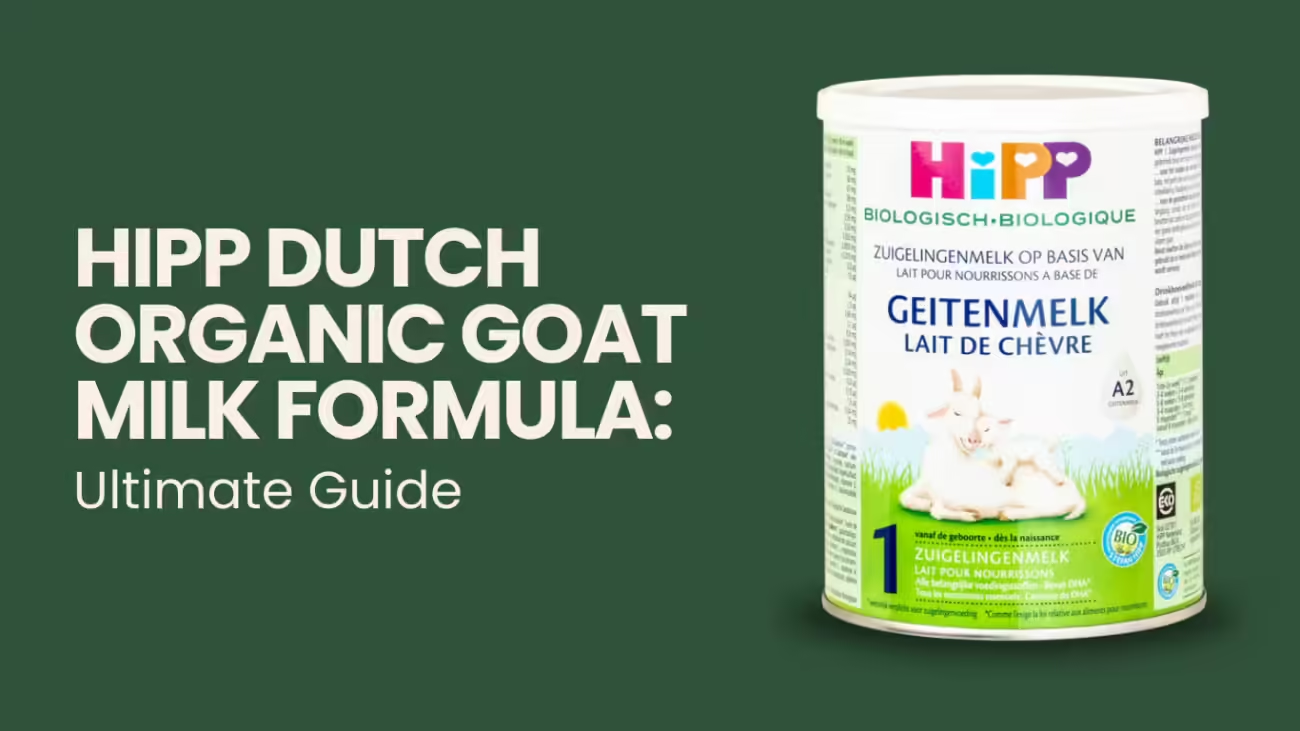
HiPP Dutch Organic Goat Milk Formula: Ultimate Guide

The key to good health throughout a baby’s life starts from day one. Only the best ingredients should be included in the formula of bottle-fed babies. 

HiPP infant company understands how essential it is to provide all families with pure, wholesome baby formula. Produced with the highest quality standards and the widest selection in the industry, HiPP has a perfect formula to fit every developmental and digestive need. 

This article will examine how HiPP understands that the most sensitive little ones have unique needs. HiPP recently introduced a European formula with a naturally gentle protein that is easier to digest, GOS / Prebiotics for further support, and organically sourced ingredients to ensure your baby only gets the best from farm to bottle. 


Table of Contents:

1. Benefits of Goat Milk Baby Formula

2. HiPP Organic Baby Formula

3. Best Baby Formula Ingredients

4. HiPP Dutch Goat Formula

5. HiPP Goat Milk Formula

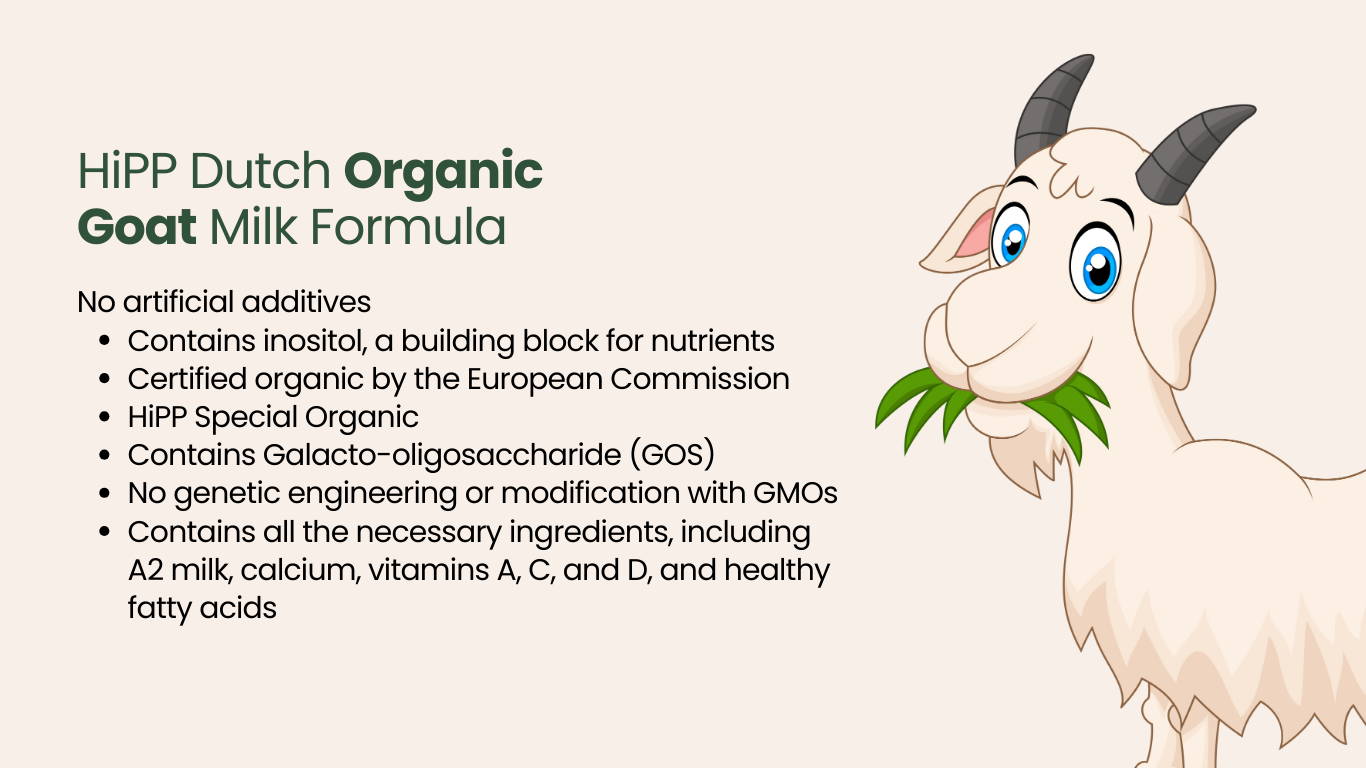
Goat | My Organic Company

Benefits of Goat Milk Baby Formula

Goat milk-based formula is characterized by smaller, softer, and looser curds in the gastrointestinal tract, which facilitate easier digestion and reduce inflammatory effects. Its reduced allergenicity and improved digestibility render it suitable for all infants, including those with sensitivities. 

With its high nutritional value, goat milk serves as a rich source of macro- and micronutrients. This nutritional richness, combined with the inherent gentleness of its proteins on immature digestive systems, underpins the suitability of goat milk-based formulas for infants with susceptible gastrointestinal profiles. 

Goat Milk Formula

Goat’s milk shares many of the same essential elements you’ll find in cow’s milk but with some distinct differences and benefits. 

Both goat and cow milk offer myriad nutrition benefits, but goat milk is proven to be easier on sensitive digestive systems.

A2 Milk 

The trouble-free digestibility of goat milk formula is primarily due to the smaller levels of micro-proteins than those found in cow milk. Specifically, goat milk does not have the A1 beta-casein proteins, which is the main cause of discomfort, inflammation, and tummy troubles.

Large milk proteins are often the culprit in children who show signs of being lactose intolerant or having milk sensitivity.

The fat molecules and proteins are also smaller and softer, forming a looser curd, which makes it easier for your infant to process.

Closest to Breastmilk

A three-year study published in the British Journal of Nutrition has found goat’s milk infant formula has similar properties to breast milk, affects gut health, and inhibits harmful bacteria in infants.

The research is the first to identify that oligosaccharides in goat’s milk formula are similar to those found in breast milk. 

Oligosaccharides are carbohydrates abundant in breast milk that establish and maintain healthy gut microflora, immune development, and protection in immature guts.

Goat’s milk has six times more oligosaccharides than cow’s milk, making goat milk the closest to human milk.

Oligosaccharides in goat milk are essential because they were found to significantly enhance the growth of bifidobacteria and lactobacilli and reduce the adhesion of E. coli in infant guts. 

Vitamins and Minerals 

Goat milk is naturally an excellent calcium, magnesium, riboflavin, and potassium source. Additionally, the precursor to vitamin A in the milk fat makes it readily bioavailable.

Goat milk is also higher in taurine, a free amino acid that is especially important in promoting the healthy growth of your infant’s brain, eyes, heart, and muscles.

Immune System Support

Goat milk contains selenium, similar to what is found in human breast milk. This essential trace mineral is vital in many body processes, but especially in the development of the immune system. 

Environmentally Friendly

Goat milk is more sustainable and has a lower environmental impact than cow’s milk. 

Environmental benefits of goat production include keeping wildlife corridors open, preventing the spread of noxious weeds, and promoting the growth of local vegetative species through moderate grazing. 

Goats are also more water-efficient than large ruminants such as cattle, requiring one-third the amount of land and food as cows. 

Naturally easy to digest, goat milk is an ideal protein base for baby formula. Like cow milk, goat milk must also be adapted and fortified to meet the specific nutritional needs of little ones.

Goat milk is highly nutritious and a good source of macro- and micronutrients. Its proteins are naturally easy on the immature digestive system, making goat milk-based formulas gentle enough for even the most sensitive systems. 

Mom carrying Baby | My Organic Company

HiPP Organic Baby Formula

HiPP infant company was founded in 1899 by Joseph HiPP, a baker looking for a breastfeeding alternative for his twins when his wife, Maria Oster, had trouble providing mother milk.

Mr. Hipp’s rusk flour infant formula took off in the small German town and soon would grow outside of this area, laying the foundation for the worldwide company it is now.

As word of HiPP nutrition spread, Joseph HiPP wisely decided that all formula sources would be from natural soils without using chemicals. 

By 1970, the rusk flour infant formula was available all over the German market. As the HiPP brand grew and the family business was established, the company’s priorities were reinforced-producing healthy, tasty baby formula from safe ingredients.

Today, HiPP continues as a family-owned company and is dedicated to 100% organic quality with the introduction of their goat milk-based formulas. 

HiPP Organic Baby Formula

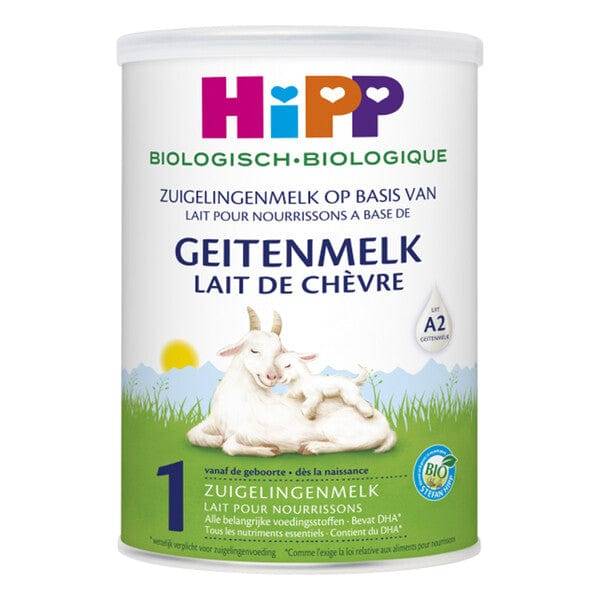
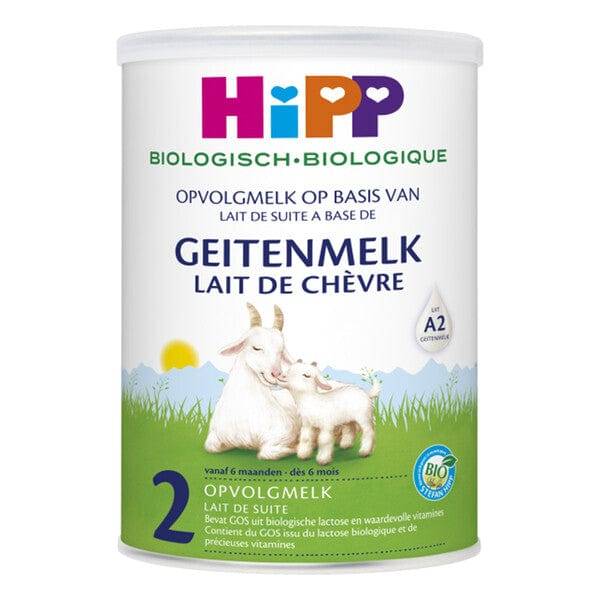
Carefully and mindfully manufactured, using the highest quality, European organic ingredients without GMOs and a mild, gentle protein that is easiest, HiPP Dutch Goat milk formula is the perfect addition to the HiPP line of infant formulas

At each step of the process, HiPP takes great pains to ensure that every baby receives only the best infant nutrition. 

Sixty years of research and experience go into every 

Formula container: sustainable, environmentally friendly, and organically sourced and manufactured. 

HiPP goat formulas are produced with every animal, plant, and farming area in mind. 

Each HiPP Dutch Goat milk formula stage is designed under the strictest European Organic Regulations and often goes above and beyond these directives to ensure your infant only gets the best. 

HiPP Dutch Goat milk baby formulas only contain pure, clean, organic nutrition. 

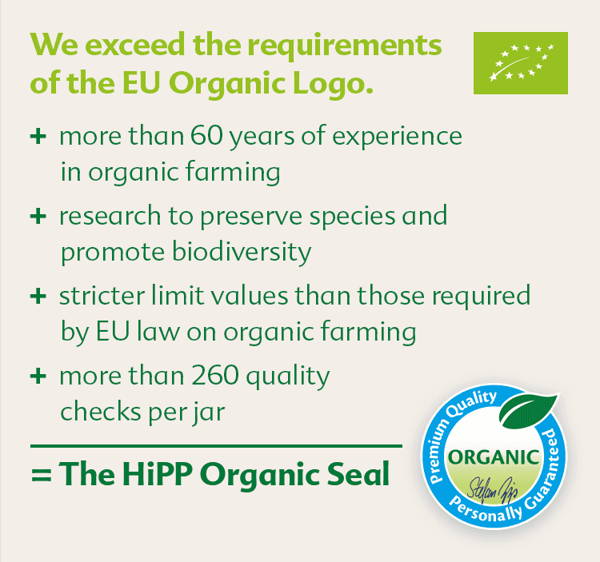
HiPP Organic Seal | My Organic Company

Best Baby Formula Ingredients

Bio Logo | My Organic Company

HiPP Dutch Goat milk formula is 100% organic, meaning it is sourced on a sustainable farm only. Your little ones will NEVER consume herbicides, pesticides, or synthetic ingredients.

Your little ones will receive pure nutrition from farm to bottle, free of GMOs, artificial additives, and toxic chemicals. 

DHA and RHA

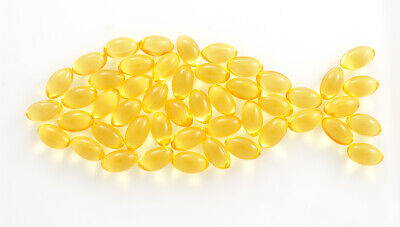
Long-chain polyunsaturated fatty acids — found in fish oil — help infants better regulate their blood sugar and make more proteins in their muscle cells. 

Fish oil DHA and RHA are most beneficial for a child’s visual function and cognitive and behavioral development.

Fish Oil | My Organic Company

Toxin Free

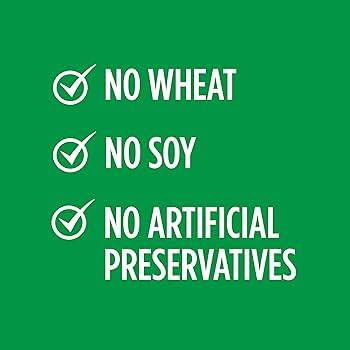
No Wheat, Soy, Artificial Preservatives | My Organic Company

As with all European formulas, HiPP goat Dutch is gluten-free and made without toxic ingredients such as corn syrup (and all other non-lactose sugars), soy, or heavy metals

Goat milk is the main ingredient of each stage, followed by organically sourced natural elements that are perfectly balanced to ensure your little ones meet or exceed every growth and developmental milestone. 

HiPP formulas do not need additives; they only contain clean, nutritious organic nutrition. 

HiPP Dutch Goat Formula: Stages

HiPP Goat Dutch Stages are expertly crafted to cater to your delicate baby’s unique physical, cognitive, and developmental requirements. HiPP is a leader in producing organic baby formulas, highly esteemed by parents worldwide for its premium quality and genuine infant nutrition.

HiPP Goat Dutch Stage 1

HiPP Dutch Goat Stage 1 Organic Baby Formula is meticulously crafted with A2 nutrition, known for its easy digestibility and exceptional nutritional benefits. Every element is carefully chosen to closely resemble breast milk, offering a perfect blend of essential vitamins, prebiotics, beneficial omegas, and DHA, giving you peace of mind about your baby’s nutrition.

The organic goat milk used in the HiPP formula is naturally A2, making it a gentler and more natural option for sensitive tummies. It is easily and quickly digested, minimizing the likelihood of causing inflammation or other common issues associated with traditional A1 milk formulas, ensuring your baby’s health and well-being.

Specifically tailored for the early days of a baby’s life, the HiPP Dutch Goat Stage 1 Formula is enriched with crucial nutrients and minerals. It includes vitamins C and E to boost immunity and enhance skin health, as well as biotin to support healthy brain development. Essential fatty acids such as DHA (Omega-3), ALA, and ARA (Omega-6) also promote cognitive development and visual acuity.

Moreover, Metafolin is incorporated to prevent folate deficiency, essential for DNA/RNA synthesis and neural development. Vitamins B6 and B12 further contribute to cardiovascular development and help prevent anemia.

This formula is rich in naturally occurring prebiotics and galactooligosaccharides, which support the development of healthy gut bacteria and bolster your baby’s immune system.

HiPP Dutch Goat Stage 1 | My Organic Company

✔️ Starting at Birth

✔️ 100% Organic

✔️ Gentle A2 Milk

✔️ Contains ARA (Omega-6) & DHA (Omega-3)

✔️ NO Starch or Maltodextrin

✔️ Natural GOS Prebiotics

HiPP Goat Dutch Stage 2

HiPP Dutch Goat Follow-on Milk is designed to support your baby’s growth and development. It is the first Stage 2 Goat Milk formula from HiPP, containing only A2 beta-casein and omitting A1 beta-casein protein. A2 beta-casein is known to be more easily digestible and less likely to cause discomfort, making it a better choice for your baby’s sensitive tummy. A1 beta-casein, on the other hand, can cause discomfort and is often associated with lactose intolerance.

HiPP’s organic goat milk, naturally A2, is more easily digested, making it a comforting choice for sensitive tummies. The nutrients are absorbed more readily, reducing the risk of inflammation or other issues commonly found in traditional A1 milk formulas. The HiPP Dutch Goat Stage 2 Formula contains essential nutrients and minerals in the correct ratios for older babies, providing a comforting solution for your baby’s needs.

This formula is a comprehensive nutritional solution, including vitamins C and E to enhance immunity and improve skin tone, biotin to support brain development, and essential fatty acids DHA (Omega-3), ALA, and ARA (Omega-6) to promote cognitive development and visual acuity. Metafolin is also added to prevent folate deficiency, ensuring your baby’s health and development are in good hands.

This stage is not just a formula but also an excellent complement to solid nutrition, or alongside continued breastfeeding, providing the necessary nutrients for your baby’s growth and development.

HiPP Dutch Goat Stage 2 Formula | My Organic Company

✔️ Starting at 6 Months

✔️ EU Organic Formula

✔️ Easier to Digest A2 Protein

✔️ Contains ARA (Omega-6) & DHA (Omega-3)

✔️ Natural Occurring Prebiotics

✔️ Sustainably Sourced Vegetable Oils

HiPP Goat Dutch Stage 3

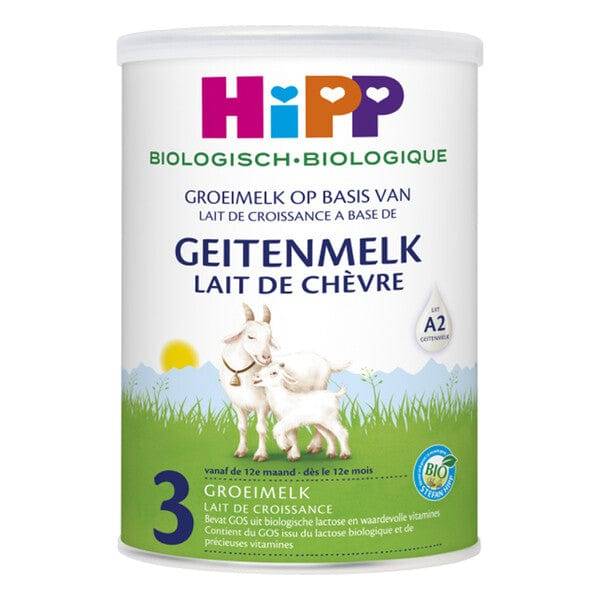
HiPP Dutch Goat Formula Stage 3 is a premium organic toddler milk designed for children from 10 months onwards. It offers essential nutrients for healthy growth and optimal development, providing peace of mind about the quality and safety of your child’s nutrition.

The formula is nutritious and remarkably easy to digest, making it an ideal addition to a balanced diet for your growing toddler. You can be confident that it is gentle on their delicate system, ensuring their comfort and well-being.

The gentle formula of HiPP Dutch Goat Formula Stage 3 is a standout feature, containing only A2 beta-casein. This unique composition omits any A1 beta-casein protein, which is known to cause discomfort and is often associated with lactose intolerance. This reassures parents about the safety and comfort of their child’s nutrition.

HiPP’s organic goat milk, a key ingredient in HiPP Dutch Goat Formula Stage 3, is naturally A2 and well-suited for sensitive tummies. This organic nature ensures nutrients are digested quickly and easily without causing inflammation or other issues typically in traditional A1 milk formulas. This makes HiPP Dutch organic goat formula ideal for infants with lactose sensitivity.

HiPP Dutch Goat Stage 3 is rich in essential nutrients such as vital vitamins A, C, and D. Vitamin D aids in calcium absorption and bone growth, while Omega 3 & 6 support brain and eye development in little ones.

HiPP Dutch Goat Stage 3 is a versatile product that can be used in various ways. It can be used alongside breastfeeding while weaning your baby off breast milk, providing a smooth transition. Alternatively, it can be used as a complete meal substitute for breast milk, offering a convenient and nutritious option for your growing toddler.

HiPP Dutch Goat Stage 3 Formula | My Organic Company

✔️ Starting at 12 Months

✔️ 100% Organic A2 Toddler Milk

✔️ Easier to Digest A2 Protein

✔️ Prebiotics for Digestive Support

✔️ Sustainably Sourced

HiPP Goat Milk Baby Formula

Our HIPP Dutch Goat milk formulas offer a range of nutritional and immunity benefits for infants. These benefits closely resemble human breast milk, providing digestive support with prebiotics called oligosaccharides and natural A2 milk proteins. These components promote a healthy gut, bodily growth, and cognitive development, ensuring your infant receives the best possible start in life.

At My Organic Company, we take pride in our European Goat Milk Formulas. Each formula is the result of a deliberate and thorough process. We carefully select only the best organic baby formulas with the highest quality and purest ingredients, ensuring each ingredient is free from impurities or contaminants. Each goat milk baby formula contains gentle A2 proteins known for their superior digestibility and nutritional benefits. We are committed to offering infants safe, effective, high-quality products that support their health and well-being, even for the most sensitive digestive systems.

Blog 5

The Best Formula for Infants with Food Allergies

Food allergies can be a concern for infants. Babies of all ages, whether breastfed, formula-fed, or eating solid foods, can develop food allergies. 

This article will discuss the recommended nutrition for families that choose bottle feeding. The formula should help alleviate discomfort and fussiness or prevent potential food allergies in the most sensitive infants


Table of Contents:

1. How to Recognize Food Allergies in an Infant

2. What is a Food Allergy?

3. Symptoms of Food Allergies in Infants

4. Avoiding a Milk Allergy Reaction

5. Best Baby Formula for Food Allergies

6. Milk Allergy VS. Milk Intolerance

7. Formulas for Infants with Food Allergies

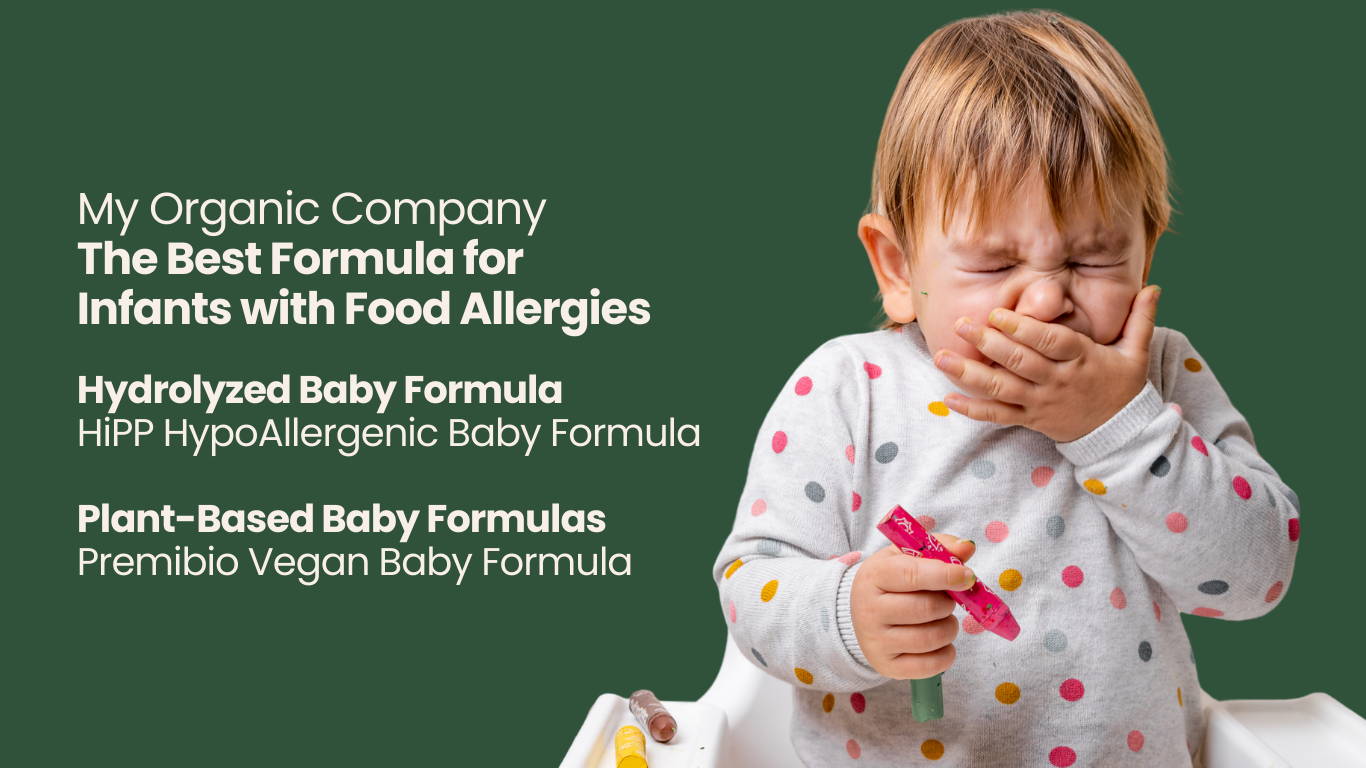
Food Allergies Formula Recommendations | My Organic Company

How to Recognize Food Allergies in an Infant

Let’s start with the basics. What is an allergic reaction? An allergic response occurs when your baby’s immune system, a powerful defender, reacts to something it perceives as a threat. 

This system is designed to recognize and eliminate harmful substances, like germs, to keep us healthy. Sometimes, an infant’s immune system gets confused and responds to something they eat or come in contact with. 

Even in these instances, the immune system is working to protect your sweet little one, creating inflammation and releasing a histamine chemical. When the immune system responds to a real threat, this can help to eliminate the germs, giving you confidence in your baby’s defense system. 

If you notice symptoms such as hives or swelling, it’s essential to consult your family’s medical provider. They can help you identify the trigger and provide guidance on managing your baby’s allergies.

What is a Food Allergy?

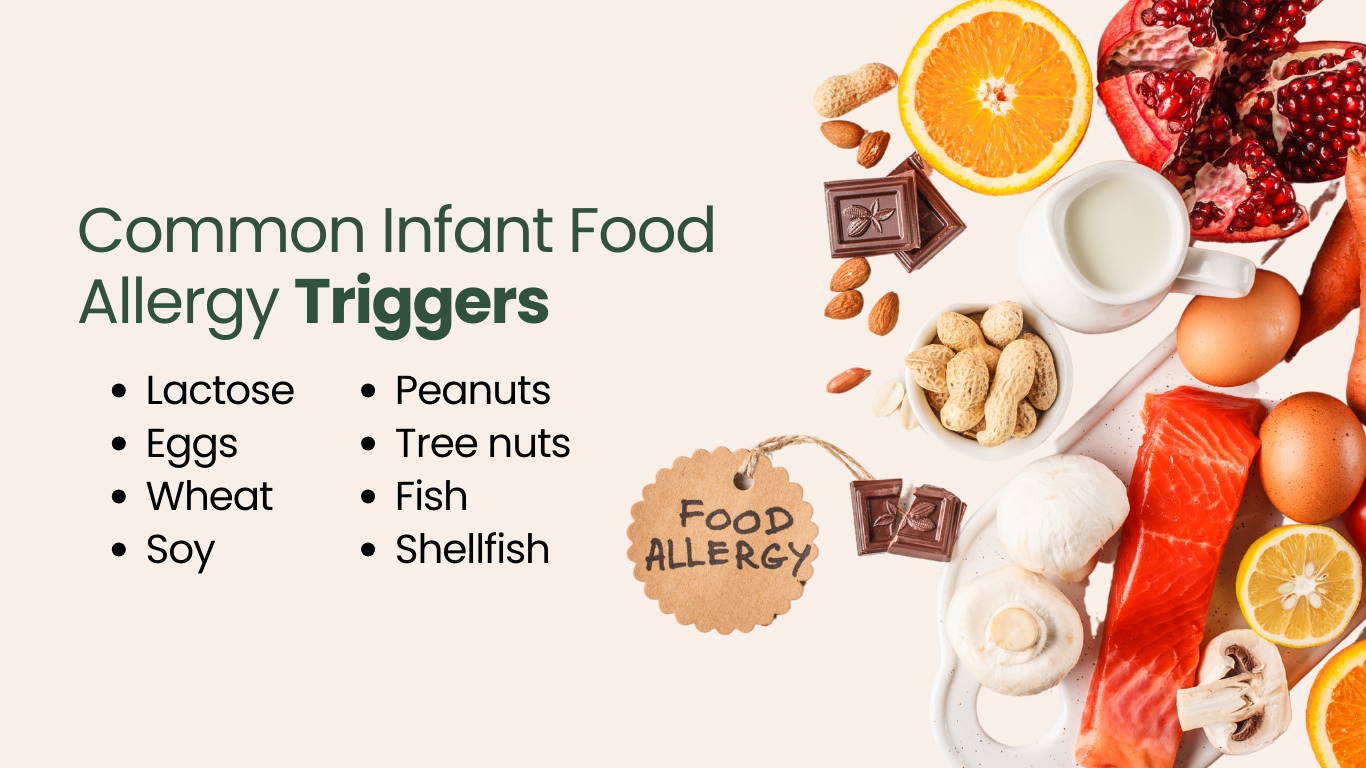
Roughly one in eight children under the age of three are affected by food allergies, which can manifest as reactions to common early foods and baby formulas. These allergies can present a significant challenge for parents and caregivers as they navigate the introduction of new foods and seek safe and nourishing options for their little ones.

Common Food Allergy Triggers | My Organic Company

Symptoms of Food Allergies in Infants

The first cue that your baby has a food allergy or reaction is fussiness and constant movement, which indicate that the baby is uncomfortable. 

Though fussiness alone does not mean a baby has an allergy, it could be an early indication, especially after eating.

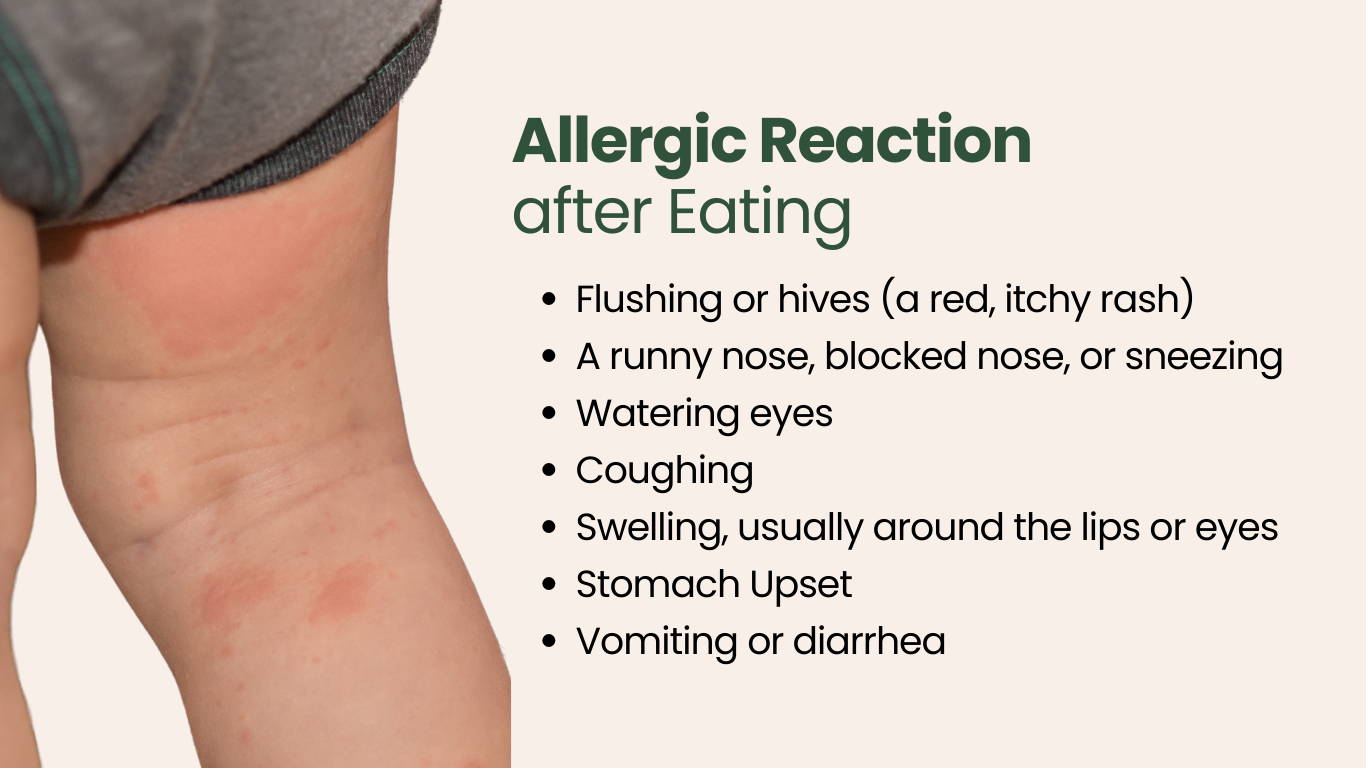
The symptoms of a food allergy can be mild or severe. They may also develop suddenly, as soon as your baby eats the food, or appear more gradually. In some children, the immediate allergic reaction can be severe and interfere with breathing. In this case, please contact emergency responders immediately.

Allergic Reaction | My Organic Company

⚠️If you notice wheezing, coughing, or breathing problems (which can appear like an asthma attack) or Swelling of the tongue and throat that is making it hard for your child to breathe, contact medical professionals right away⚠️

Avoiding a Milk Allergy Reaction

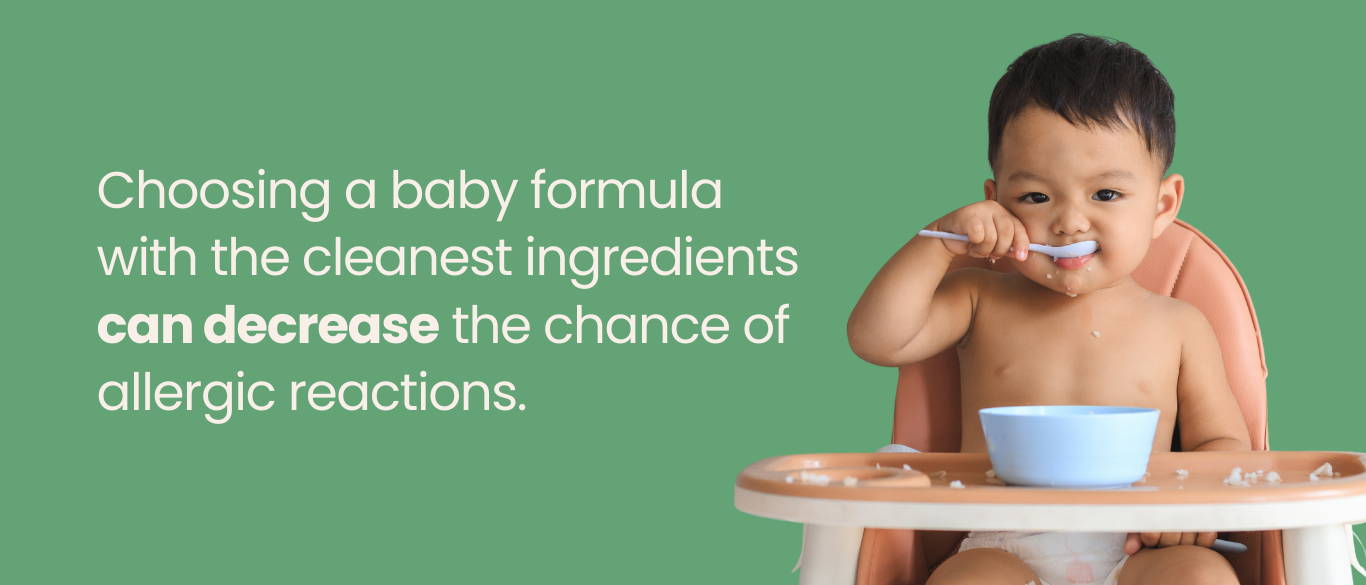
Only using pure, clean nutrition can treat and avoid food allergies. Choosing a baby formula without toxic ingredients such as heavy metals, non-lactose sugars, and undetectable dangerous ( think pesticides and growth hormones ) contents is imperative.

The best ingredients will hugely decrease the chance of triggering symptoms caused by allergic reactions to ingredients.

Baby Eating | My Organic Company

Best Baby Formula for Food Allergies

European Baby Formula company follows strict infant nutrition regulations and guidelines. Family businesses work to provide formulas that will support your child’s healthy growth and development in every way, including aiding your child in finding the best food allergy alternatives.

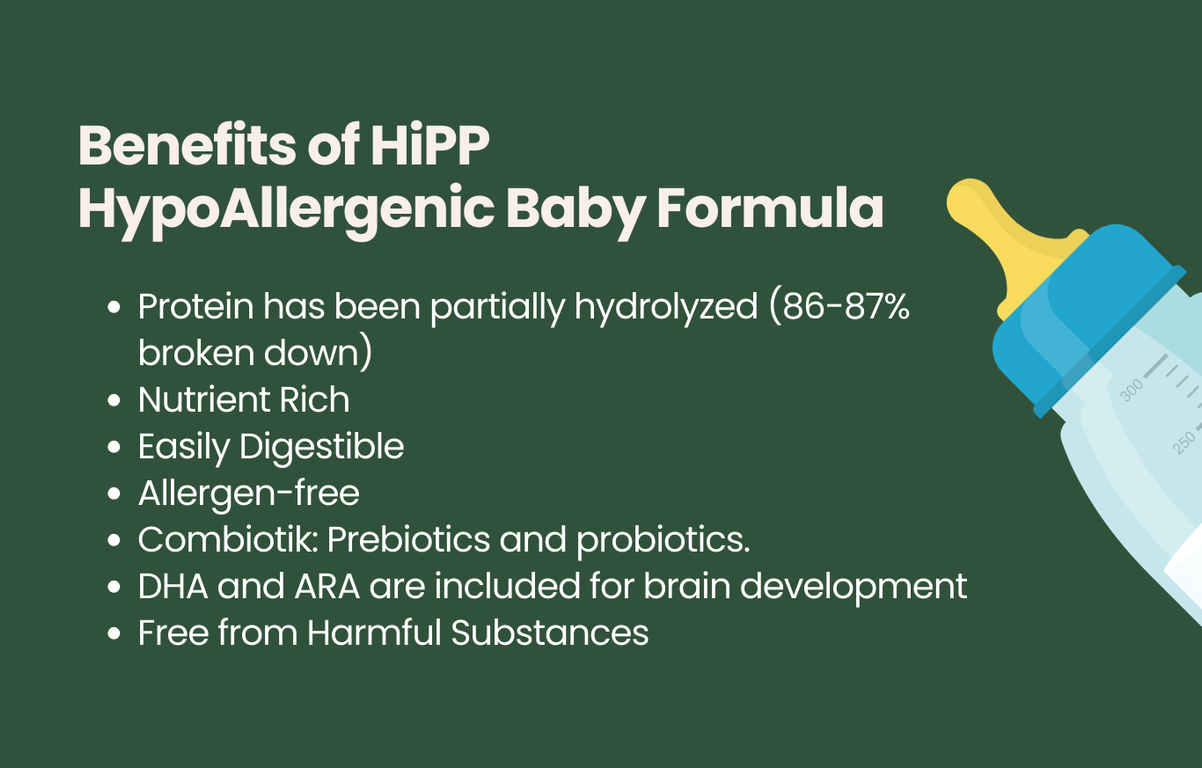
Best Hydrolyzed Baby Formula for Allergies

Extensively hydrolyzed formulas provide complete nutrition for infants with concerns about food allergies, such as cow’s milk protein allergies.

Little ones with food allergies do best on an infant formula with smaller proteins. By extensively hydrolyzing or “breaking down,” the Hydrolyzed Baby Formula proteins became smaller and easy-to-digest proteins.

Baby formulas with hydrolyzed proteins help to alleviate gassinesscolic, and food allergy skin worries such as eczema.

HiPP HA Baby Formula Benefits | My Organic Company

Shop HiPP HypoAllergenic Baby Formula

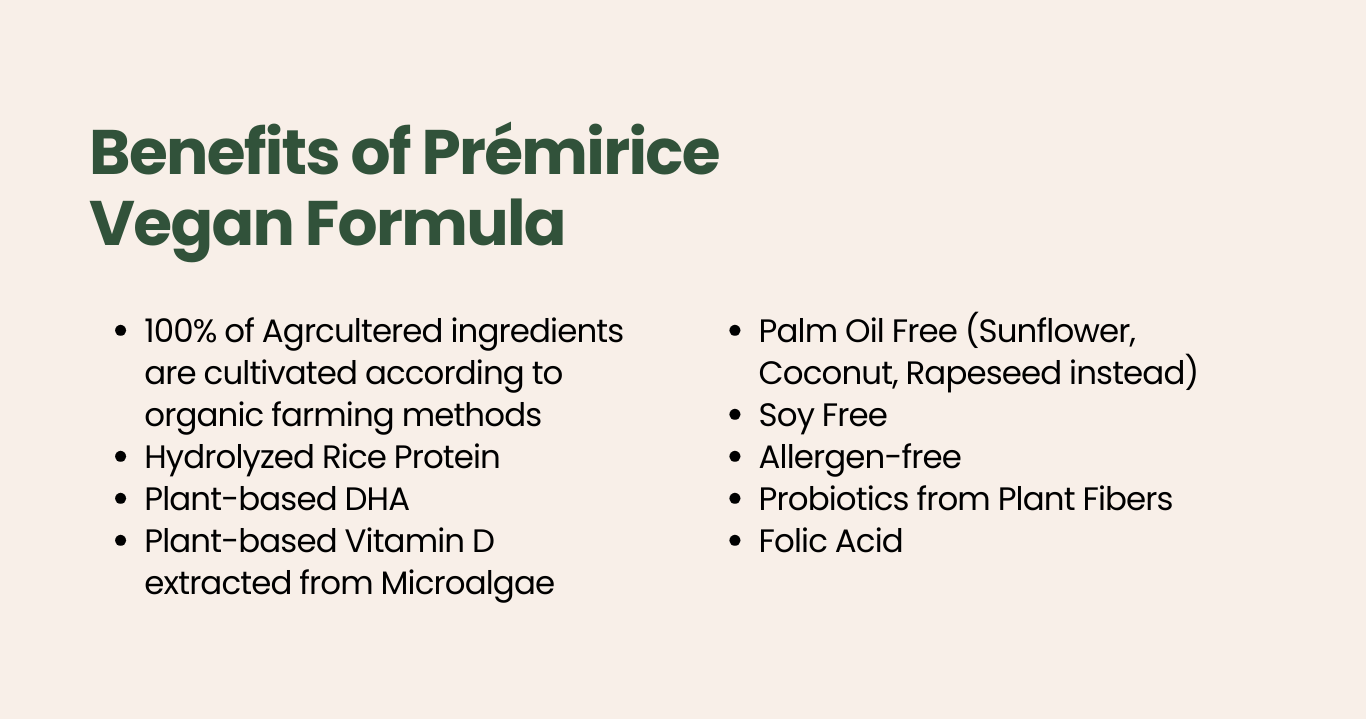
Best Plant-Based Baby Formulas for Allergies

European vegan formulas are nutritionally well-balanced and promote future health, making them a perfect option for babies with food allergies.

100% vegan formulas, free of animal-derived ingredients and lactose, are a reliable source of nutrition. They can be used from birth through toddlerhood and offer the same nutritional value as traditional baby formulas.

Free of allergenic proteins, vegan formulas are better for babies with digestive sensitivities or intolerance to cow’s or goat’s milk formula. They also avoid the dangers of soy or the unwanted side effects of gluten.

Premibio Vegan Baby Formula | My Organic Company

Shop Premibio Vegan Baby Formula

Milk Allergy VS. Milk Intolerance

When your little one seems to be reacting poorly to your current formula, the cause could be a lactose allergy or cow’s milk intolerance

Intolerance and allergy are very different problems, but they can have similar symptoms. Unfortunately, this can result in confusion and sometimes improper treatment.

Lactose Allergy in Baby 

An allergy is when an infant’s immune system reacts negatively. In this case, it will respond to cow milk proteins. Your baby’s immune system sees the cow’s milk protein as an invader and then releases histamines and other chemicals to fight the unwanted substance.

Lactose Intolerance

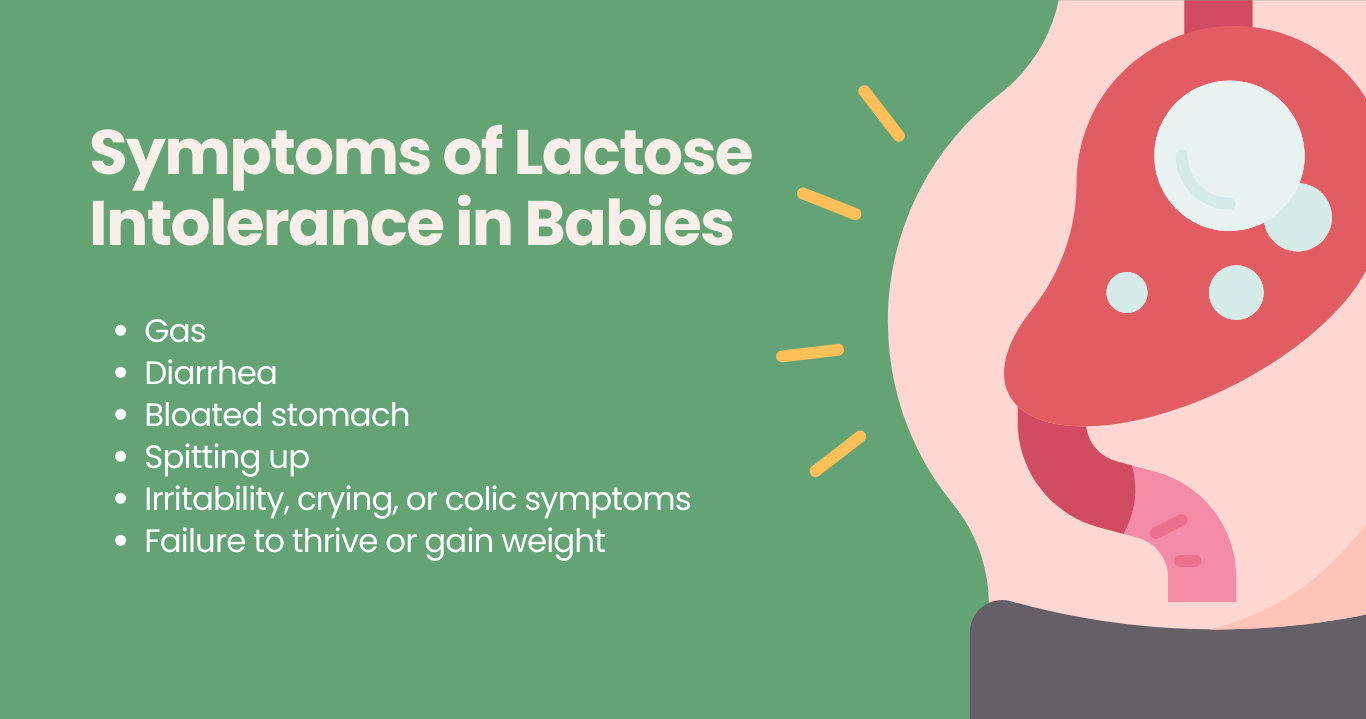
This reaction starts in a baby’s digestive system and occurs when the body does not make enough lactase enzymes to digest lactose.

Instead of digesting normally in your little one’s stomach and small intestine, undigested lactose moves into the baby’s colon, where bacteria break down and cause bloating and gas.

It can be uncomfortable for an infant, but it’s not dangerous and can be easily remedied with proper nutrition

Lactose Intolerance in Babies | My Organic Company

Best Baby Formula for Lactose Intolerance

Babies needing extra support digesting lactose can benefit from specialized nutrition. 

European baby formulas are known for the perfect nutrition to meet every developmental stage and digestive need, and lactose intolerance is no exception.

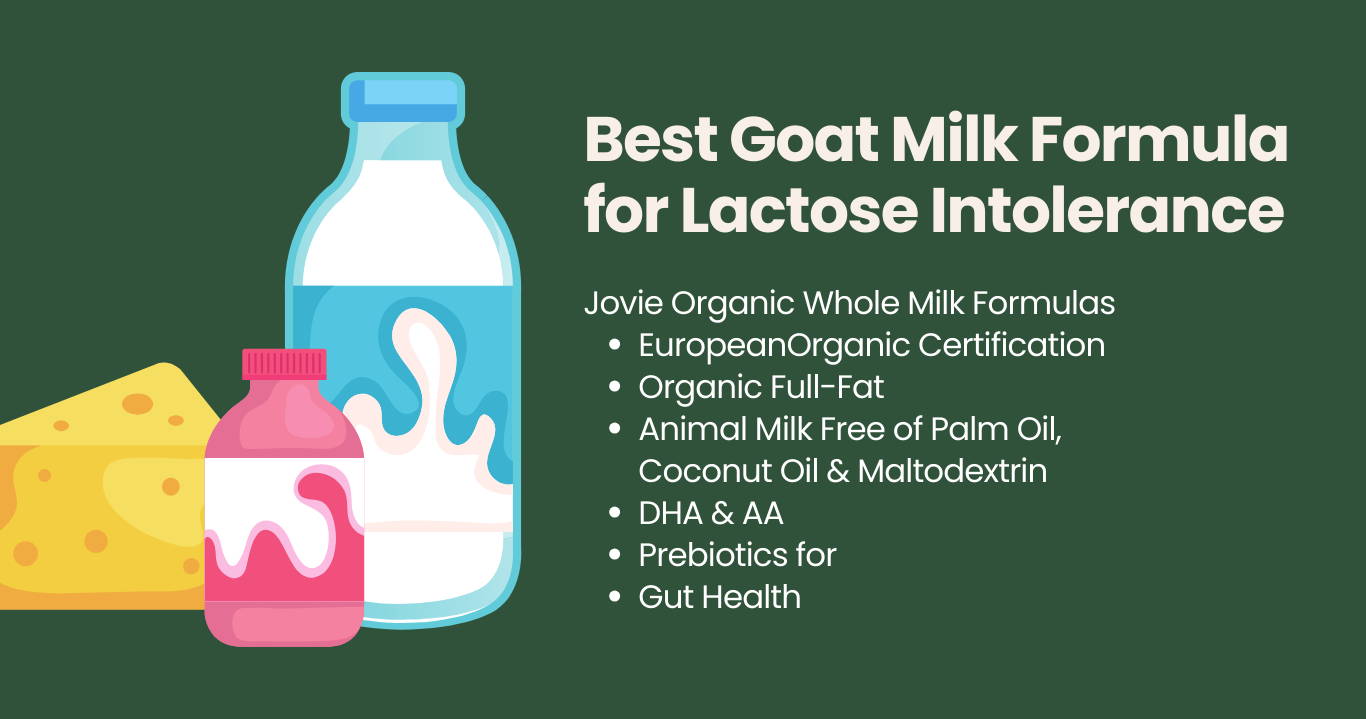
Goat Milk Baby Formula

Goat’s milk does contain lactose, but it is slightly less than cow’s milk. Along with gentler A2 milk protein, this formula is easier to digest and absorb. 

Evidence suggests that babies with lactose intolerance can tolerate goat’s milk baby formula and benefit digestively and nutritionally from the highest-quality organic standards and ingredients

Best Goat Milk Formula | My Organic Company

Formulas for Infants with Food Allergies

Your baby deserves the best, including those needing extra support for food allergies. 

My Organic Company works hard to provide nutrition for every baby from birth through the toddler years. We look forward to hearing how we can nutritionally serve your family.

Blog 9

HiPP VS. Holle: The Ultimate Comparison Guide

When breastmilk is not an option, choosing a reliable baby formula becomes crucial in providing the perfect nutrition for your baby. Your little one’s diet is not just about their growth and development today but also lays the foundation for their long-term health into adulthood.

In this article, we will closely examine the benefits of European infant nutrition and highlight two of the most trusted and reliable brands in the organic baby formula industry: HiPP and Holle. These brands have earned their reputation through years of providing high-quality products.  


Table of Contents:

1. What is Organic Baby Formula?

2. Organic European Baby Formulas: HiPP VS. Holle

3. Organic Baby Formula

4. HiPP VS Holle: Which is the Better Baby Formula?

5. European Organic Baby Formula Ingredients

6. Is there Soy in HiPP or Holle?

7. HiPP VS. Holle: Pros/Cons

8. Conclusion

What is Organic Baby Formula?

Baby and Mom | My Organic Company

European organic baby formulas are renowned for their high-quality ingredients and strict infant regulations. HiPP and Holle are particularly notable for their meticulously crafted organic farming practices, which are designed with your infants’ growth and development in mind at every step.

European Union guidelines require that all European organic baby formulas be free from pesticide residue, growth hormones, genetically modified organisms (GMOs), synthetic chemicals and preservatives, heavy metals, and potentially toxic ingredients. Baby formula manufacturers in Europe must use only milk from cows grazing on grass pastures, ensuring their milk has a higher protein content than dairy products. This higher protein content is beneficial for your baby’s growth and development.

Checks and balances are implemented at each step of the European baby formula process before an organic stamp is allowed on your infant’s nutrition. These rules apply at every stage, from farming practices to the final product.

It’s important to note that US organic baby formula companies are subject to different standards than their European counterparts, such as HiPP and Holle. This contrast in regulations is a crucial factor to consider when making an informed choice about your baby’s nutrition.

Under FDA regulations, American baby formulas labeled ‘Organic’ do not always mean that every ingredient follows the necessary practices. 

For instance, some US formulas may contain ingredients that are not organic, such as corn syrup solids, which can be a potential risk to your baby’s health. The US has a divided view of organic infant nutrition: organic and grass-fed formulas.

Bottles | My Organic Company

Organic European Baby Formula: HiPP VS. Holle

Families should consider European baby formula companies to access both regulations to the best of their ability. These companies have farming practices that are 95% organic and sustainable. For instance, the cows producing the milk for these formulas graze in organically grown pastures, which helps preserve natural ecosystems and biodiversity.

European baby formulas have superior standards and meticulous production processes, giving them a distinct advantage over their US counterparts regarding infant nutrition quality. 

 Clean Ingredients | My Organic Company

Organic Baby Formula

HiPP and Holle are highly regarded companies with a long-standing reputation for producing high-quality organic baby formulas in Europe. Their commitment to organic ingredients and rich historical background have made them trusted and beloved brands among parents and caregivers.

 Baby Smiling | My Organic Company

HiPP History

HiPP was founded in 1899 by Joseph Hipp, a baker who prioritized his many children. His wife, Maria Oster, had trouble breastfeeding—so the father solved the issue. He was a baker and enriched the milk with rusk flour to make it more filling. His large family lived, and he had over seven children!

In 1970, rusk flour for infants was still widely available on the German market. Georg Hipp decided to begin manufacturing this wholesome formula, and the HiPP brand grew larger. HiPP creates many products, such as juices, foods, meats, and whole-grain fruit paps.

While this happened, Georg HiPP began to source only from organic farms. The company’s priority remains true to its mission statement—to produce healthy, tasty baby formula from safe ingredients.

Holle History

For over 80 years, Holle has created organic formulas of Demeter quality. Founded in 1933, this company currently resides in Riehen, Switzerland. Their selection of products has been free of preservatives since the beginning of their company. 

Holle offers various products, including milk, formula, porridge, and much more! Within the last 35 years, Holle has been available in over 40 countries across Europe. Holle’s holistic quality and wholesome ingredients make a perfect formula for all infants.

HiPP VS. Holle: Which is the Better Baby Formula?

Both companies have a long history of guaranteed quality and clean ingredients. Both practice sustainable farming and source their milk from grass-fed cows. You can solve all your baby’s needs with their wide selection of products. 

For the well-being of infants, both Holle and HiPP believe in providing only the best quality to promote natural baby development.

Additionally, HiPP and Holle are transparent about their sourcing, producing, and ingredients—unlike most over-the-counter brands. If you care about quality and your baby’s health, it doesn’t get any better than these two companies.

 With EU Organic certification and support for local farmers, these two companies care about babies, their employees, and the environment. Due to their excellent production standards, these two companies are undoubtedly legit.

European Organic Baby Formula Ingredients

Both HiPP and Holle are EU-certified organic formulas. But what does this mean?

Non-organic formulas can damage the nervous and pulmonary systems and disrupt the immune systems. However, Organic baby formula is a safer and healthier option for children. No harmful chemicals, sweeteners, or hormones are added. 

Moreover, milk does not come from genetically modified cows and can help your child avoid many long-term health problems that sprung up during childhood. Organic formulas are rich in lutein and antioxidants and do not contain any heavy metals.

Non GMO  | My Organic Company

For those in the United States, you might wonder why you are having trouble buying imported formulas in the first place. Parents are switching to European Organic formulas over American Formulas for several reasons.

There are only four primary producers of organic baby formula in the US, and pharmaceutical businesses own them. These formulas use chemicals and unnatural preservatives, as medicine is their field of interest. American companies have questionable owners, and mindful parents should avoid these sketchy companies.

Ingredients/Features

The selection of ingredients impacts your baby’s health in all aspects. This is why carefully selected, safe, and regulated ingredients are essential. Fortunately, both HiPP and Holle meet these three basic standards. Discuss these two formulas and discover their macronutrient sources and nutrition facts.

Carbohydrates

Regarding baby formulas, the carbohydrate source is arguably the most important. It provides your baby with the nutrients it needs to thrive and have the energy to fight off diseases.

The best carbohydrate choice in formulas is lactose—a carbohydrate found in breast milk.

Lactose provides infants with much-needed energy and supports their physical and mental health. Additionally, lactose maintains healthy gut flora and helps babies to absorb nutrients.

Unlike the US, the European Commission requires 30% of carbs in formulas that come from lactose. The United States has no standard for making formulas as cheap as possible.

HiPP – All HiPP baby formulas are lactose-based (except HiPP anti-reflux, which contains maltodextrin to support babies with sensitive stomachs.)

Holle—Holle Bio Stage Pre is 100% lactose-based. On the other hand, Holle Goat milk Stages 1 and 2 combine lactose and maltodextrin.

Protein

Babies could not survive without this essential macro. Protein helps babies grow and nourishes their bodies. This is why it is necessary to feed your baby the proper source of protein. The best protein sources mimic the structure of breast milk. 

Cow’s milk contains 80% and 20% whey, while breastmilk includes 40% and 60% whey. Casein can be difficult for infants to process. Both companies create specially engineered formulas to mimic breastmilk components to support infant digestion.

HiPP—The protein source follows a protein ratio similar to that of breast milk. HiPP baby formula is designed to help those with sensitive stomachs and is blended with 100% Whey.

Holle—Each formula contains a balanced whey casein protein ratio. Babies with digestion issues will find Holle goat milk comforting. We recommend Holle if your baby has a cow’s milk protein intolerance.

Prebiotics & Probiotics

The best organic baby formulas add prebiotics and probiotics. They help keep healthy gut bacteria growing. Additionally, pre-and probiotics strengthen the immune system, reduce colic, prevent eczema, and support overall digestion.

HiPP—All primulas contain prebiotics to support digestion. Anti-reflux, HiPP Dutch Formula stage 1 & 2, and hypoallergenic formulas contain prebiotics and probiotics.

Holle – Unlike HiPP, Holle Organic Formula contains neither prebiotics nor probiotics. They opt out of adding too many supplements to maintain a short, clean list of ingredients.

DHA & ARA

Omega-3 (ALA & DHA) and Omega-6 (ARA) fatty acids support brain health, muscle development, nerve function, vision, and the immune system. These two beneficial ingredients are not required in US formulas, but in 2020 Europe made it a requirement in infant formulas.

HiPP—Every HiPP formula contains Omega-6s, while beginning-stage formulas contain DHA and ARA. These fatty acids are derived from safe sources such as vegetables and fish.

Holle – Holle organic baby formula does not contain any DHA or ARA. But since 2020, they will change their formula to include both components.

Organic Grass-Fed

Europe’s organic EU standards are better than formulas made in the United States. Both HiPP and Holle are EU-certified organic. 

HiPP—All HiPP formulas are EU-certified organic except HiPP Anti-reflux, HiPP comfort, and HiPP hypoallergenic. (These include protein hydrolysates to support digestion, which requires more processing.)

Holle – Holle meets all EU organic certifications and is Demeter biodynamic certified. They come from the highest level of accreditation from biodynamic farms. This requires Holle to have an annual renewal, ecosystem preservation, animal welfare guarantees, biodiversity support, and much more. 

Holle meets the highest environmental and animal welfare standards in the world! 

Variety

All formula brands offer a selection of different stages and specialties, but HiPP and Holle go above and beyond. Both companies are continually working to develop the best organic baby formulas.

HiPP – Many options are available with the HiPP organic formula. These formulas include anti-reflux, hypoallergenic, Biodynamic, and more. Also, this company has a variety of stages to support your baby through all their growth periods. Many mothers love the variety of this brand and choose HiPP because of its wide selection.

Holle – While having a wide selection like HiPP, Holle baby formula has one formula option HiPP does not have. Goat milk formulas are in high demand for their excellent benefits. These goat milk formulas are easier for babies struggling to digest cow’s milk proteins. They also have regular cow’s milk formulas if you want to spend less on formula.

Ingredients & Other Considerations | My Organic Company

Is there Soy in HiPP or Holle?

As a parent, you can make informed choices for your baby’s health and development. Understanding what goes into your baby’s formula and what is left out. 

It’s important to note that HiPP and Holle have consciously excluded soy from their formulas. This is because soy, even in its organic form, has been found to have detrimental effects on a baby’s health and growth. Soybeans contain trypsin inhibitors, which can be harmful, and phytic acid, which can cause digestive issues and zinc deficiency. Moreover, the presence of phytoestrogens (or isoflavones) in soy can disrupt an infant’s hormonal system, potentially affecting them well into adulthood.

For more information on soy and its effect on your baby’s nutrition, check out our quick-read article https://myorganiccompany.store/blogs/news/is-soy-bad-for-babies

HiPP VS. Holle: Pros/Cons

Now that we know the details about these popular formula brands, let’s examine their pros and cons. HiPP has many features that make it a win-win, and Holle’s formula ingredients are as clean as they come. 

HiPP vs Holle: Pros/Cons | My Organic Company

Conclusion

Esteemed European baby formula companies HiPP and Holle offer ecologically conscious infant nutrition sourced to the highest standards, promoting a responsible and caring choice for families.

As a trusted name in the industry, My Organic Company is proud to stock formulas from HiPP and Holle. We are not just a supplier but a partner in your parenting journey, and we are here to support your little ones at every stage of development, age, and nutritional requirement.